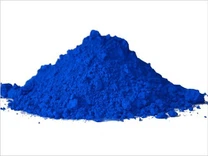
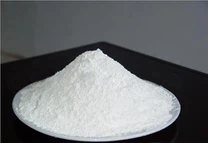
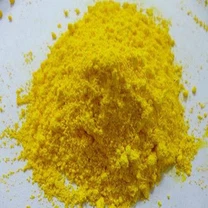
Until the late 19th century, iron oxide pigments were derived entirely from natural materials, with little modification other than physical purification. Roasting or calcination was also used in some cases. However, beginning in the early twentieth century, chemical methods for the synthetic production of commercial iron oxides were developed. Synthetic production provided improved uniformity as well as properties not available with natural oxides, and as a result, synthetics displaced natural materials in many applications. Today, the iron oxide pigment industry produces a mix of synthetic oxides prepared to a variety of specifications, as well as a number of specific natural oxides that are still desired due to lower cost or color uniqueness.
The iron oxide industry is mature, with products that are matched to end uses based on chemical and physical properties, the most notable of which are stability and nontoxicity. Iron oxides are one of the most important groups of colored inorganic pigments due to their low cost and availability. Synthetic pigments, which are frequently made from waste or as a byproduct of other industries, have become the iron oxide industry's most important component.
Hunan Deson New Material Co., Ltd
+8613873121965
 Language
- English
- Português
- Español
- Français
- عربي
- Việt Nam
- Italiano
- 한국어
- 日本語
- Türkçe
- русский
- Deutsch
- Čeština
- ไทย
- Eesti
- Gaeilgenah Éireann
- Bai Miaowen
- íslenska
- Cymraeg
- Български
- اردو
- Polski
- hrvatski
- українська
- bosanski
- فارسی
- Lietuvių
- Latviešu
- עברית
- România limbi
- Ελληνικά
- dansk
- magyar
- Norsk
- suomi
- Nederlands
- Svenska
- slovenčina
- slovenščina
- हिंदी
- Indonesia
- Melayu
- Malti
- Kreyòl Ayisyen
- Català
- বাংলা
- Srbija jezik (latinica)
- O'zbek